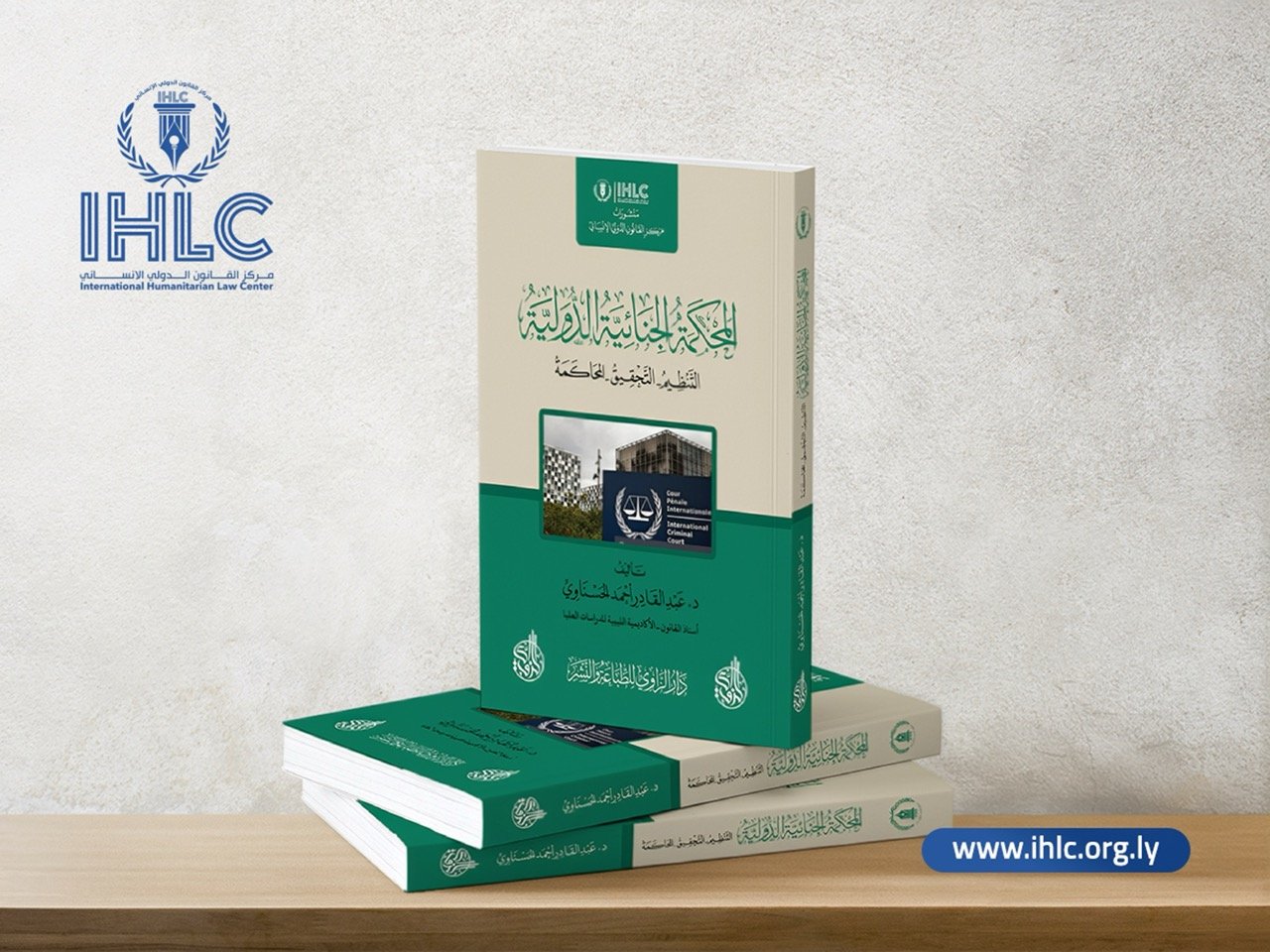
This book offers a specialized and comprehensive study of the procedural aspects of the International Criminal Court, from its structure and organization to investigation procedures, and finally to the trial and sentencing phases. The author relies on the Rome Statute of the Court, its rules of procedure, and rules of evidence. He employs multiple methodologies—descriptive, comparative, analytical, and critical—to analyze the legal texts and identify gaps and practical problems.
Introductory Chapter
This chapter reviews the international efforts to establish the Court and its objectives, and clarifies the fundamental differences between it and the International Court of Justice in terms of jurisdiction and function.
Part One: The Organization of the Court
This chapter comprises two sections:
Section One: The Court’s Composition and Jurisdiction
This section addresses the Court’s structure, the mechanisms for establishing its jurisdiction, and the conditions under which it is exercised.
Section Two: Problems Affecting the Court’s Work
This section categorizes problems arising from Court staff and those created by states that impact its performance.
Part Two: Investigation Procedures
This section comprises two chapters:
Chapter One: The Role of the Prosecutor
This chapter covers the impact of preliminary information on initiating and continuing the investigation, and the Prosecutor’s powers to summon individuals.
Chapter Two: The Jurisdiction of the Pre-Trial Chamber
This chapter is examined in three sections:
Its jurisdiction before the commencement of the investigation.
Its role during the investigation.
Procedures for confirming charges before trial.
Part Three: Trial Procedures
This section comprises two chapters:
Chapter One: Rules for Commencing and Conducting the Trial
This chapter addresses preliminary procedures and their formal requirements, and the duties of the Pre-Trial Chamber towards the accused, victims, and witnesses.
Chapter Two: Issuing Judgments and Methods of Appeal
This chapter focuses on the criteria for issuing judgments and explains the rules of appeal and review.
Conclusion
The author concludes by presenting a number of scholarly findings, in addition to practical recommendations for improving the procedural and functional performance of the International Criminal Court