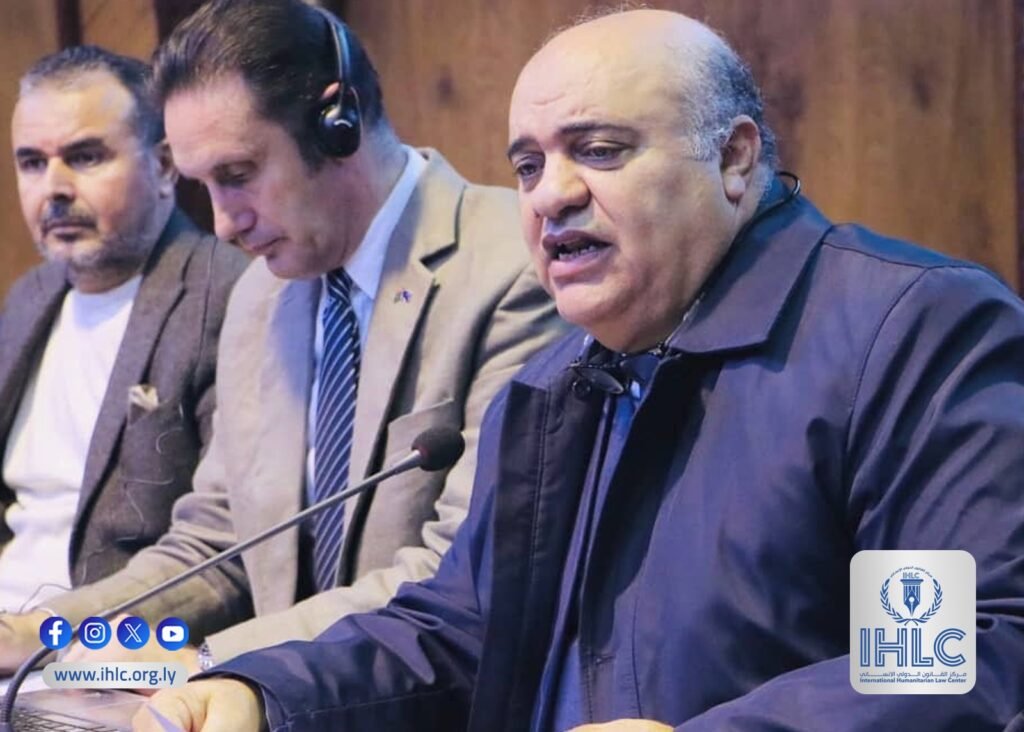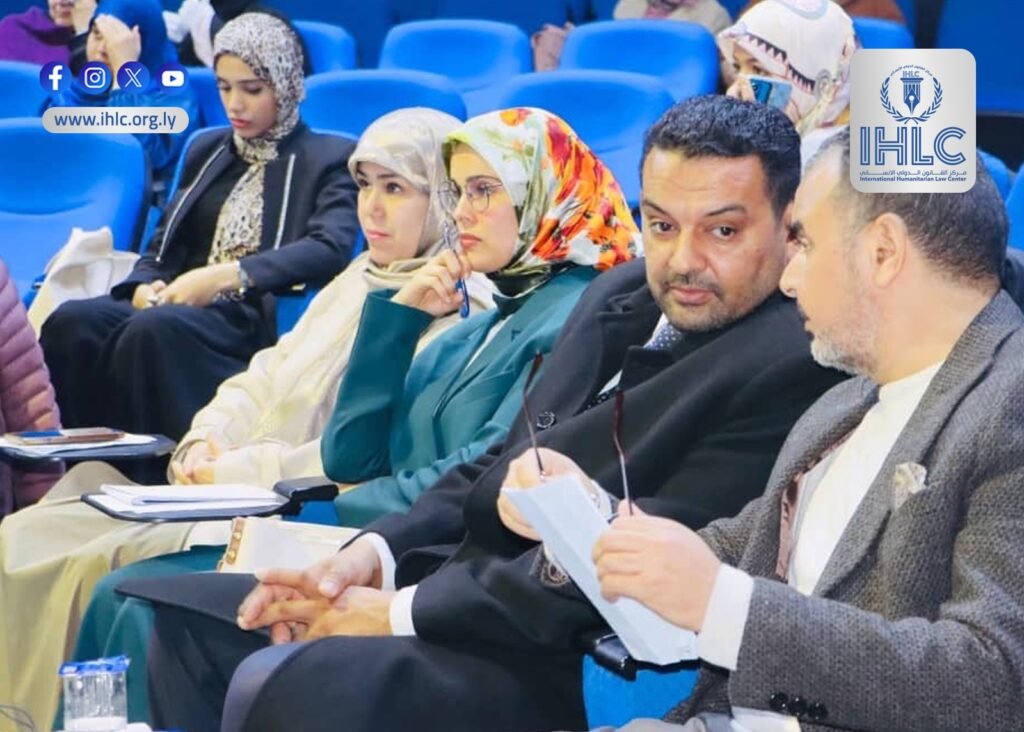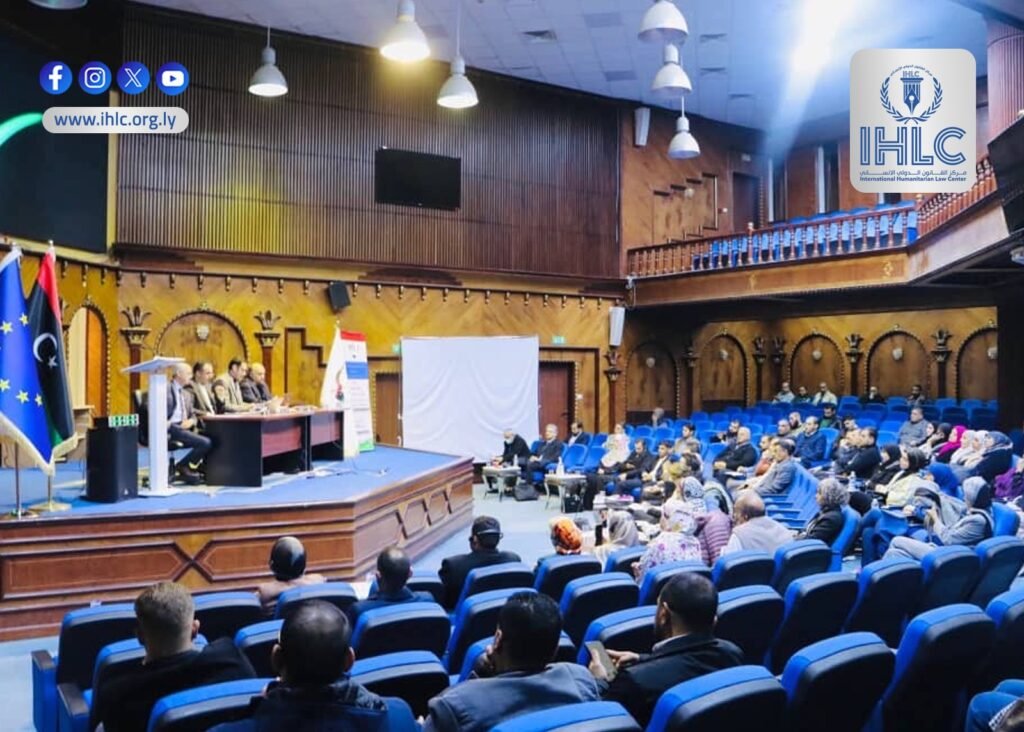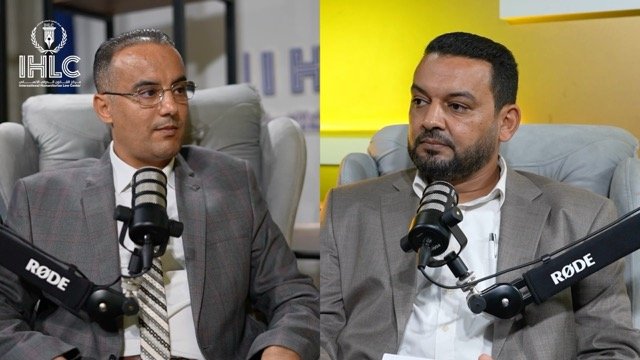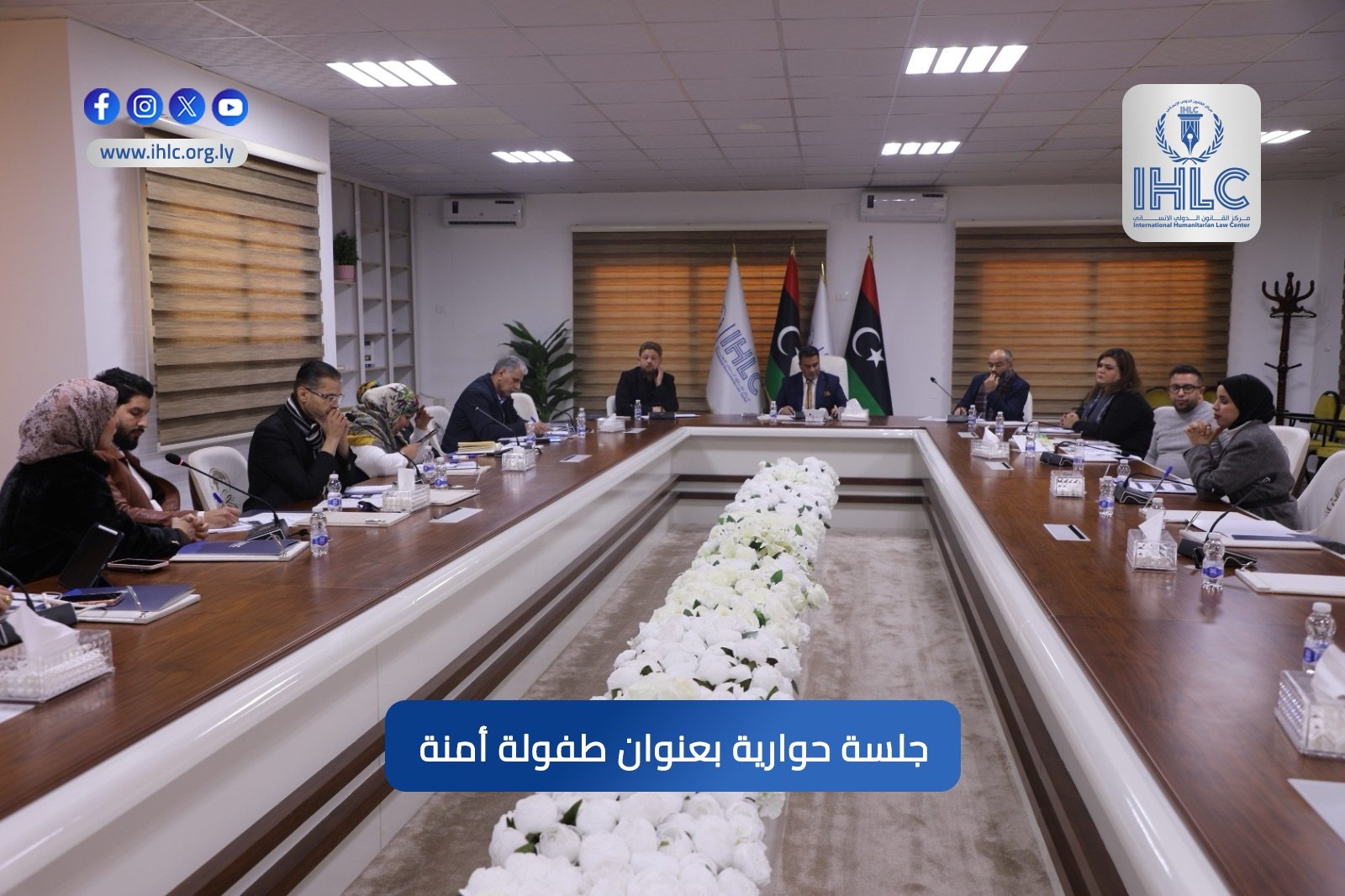

The Libyan Academy of Graduate Studies officially concluded the educational awareness program titled “The Human Rights Based Approach to the Achievement of Transitional Justice” on December 9, 2025. This comprehensive program was organized in strategic partnership with the Center for International Humanitarian Law (IHLC), the No Peace Without Justice organization, and several prominent academic and human rights institutions.
High-Level Participation at the Closing Session
The closing session witnessed significant attendance from high-profile diplomatic and academic figures, underscoring the importance of the event. Notable attendees included:
- Nicolas Orlando: Ambassador of the European Union to Libya.
- The Regional Director: Organization of No Peace Without Justice.
- Prof. Ramadan Al-Madani: President of the Libyan Academy of Graduate Studies.
- Dr. Ramadan Wadi: Dean of the School of Applied Sciences and Engineering.
- Dr. Osama Al-Taher: Director of the International Cooperation Office.
- Advisors to the President: Mr. Mustafa Al-Khammas and Eng. Mahfouz Amrehil.
The event also gathered a large number of professors, researchers, and specialists interested in human rights affairs.
Program Timeline and Key Workshops
The program spanned several months, featuring a series of intensive workshops designed to address the multifaceted aspects of transitional justice.
Inauguration: October 7, 2025
The program launched at the Libyan Academy in Tripoli with an opening ceremony attended by Mr. Abdullah Al-Lafi, Member of the Presidential Council, alongside EU Ambassador Nicolas Orlando and Mr. Faraj Fneish, Regional Director of No Peace Without Justice.
Phase Two: Truth Disclosure and Legal Approaches
The second phase focused on the theoretical and practical frameworks of transitional justice.
- Workshops: “The Integrated and Comprehensive Jurist Approach to Transitional Justice” and “Truth Disclosure – United Nations Secretary-General’s Guidelines.”
- Key Speakers: Dr. Ibrahim Salama, Dr. Van Benchia, and Mr. Khaled Khattab.
- IHLC Intervention: The Center for International Humanitarian Law presented a critical paper titled “Revealing the Truth as a Mechanism for Achieving Transitional Justice in Libya – Paths and Challenges.” This session provided an analysis of truth-uncovering mechanisms, highlighted local challenges, and offered recommendations to strengthen the path to truth.
Phase Three: Reparation and Non-Repetition (December 8, 2025)
Held at the Libyan Academy, this phase included two pivotal workshops:
- Transitional Justice and Reparation: Presented by Dr. Hayat Al-Wartani and Dr. Jazia Sheeter, with an opening speech by Dr. Mustafa Al-Suri. The session covered the legal framework for reparation, compensation mechanisms, and the rehabilitation of victims.
- Transitional Justice and Non-Repetition Guarantees: Presented by Dr. Zahrat Al-Tayyar. Topics included institutional reform, strengthening the rule of law, building trust between the state and society, and preventing the recurrence of violations.
Closing Session: International Experiences (December 9, 2025)
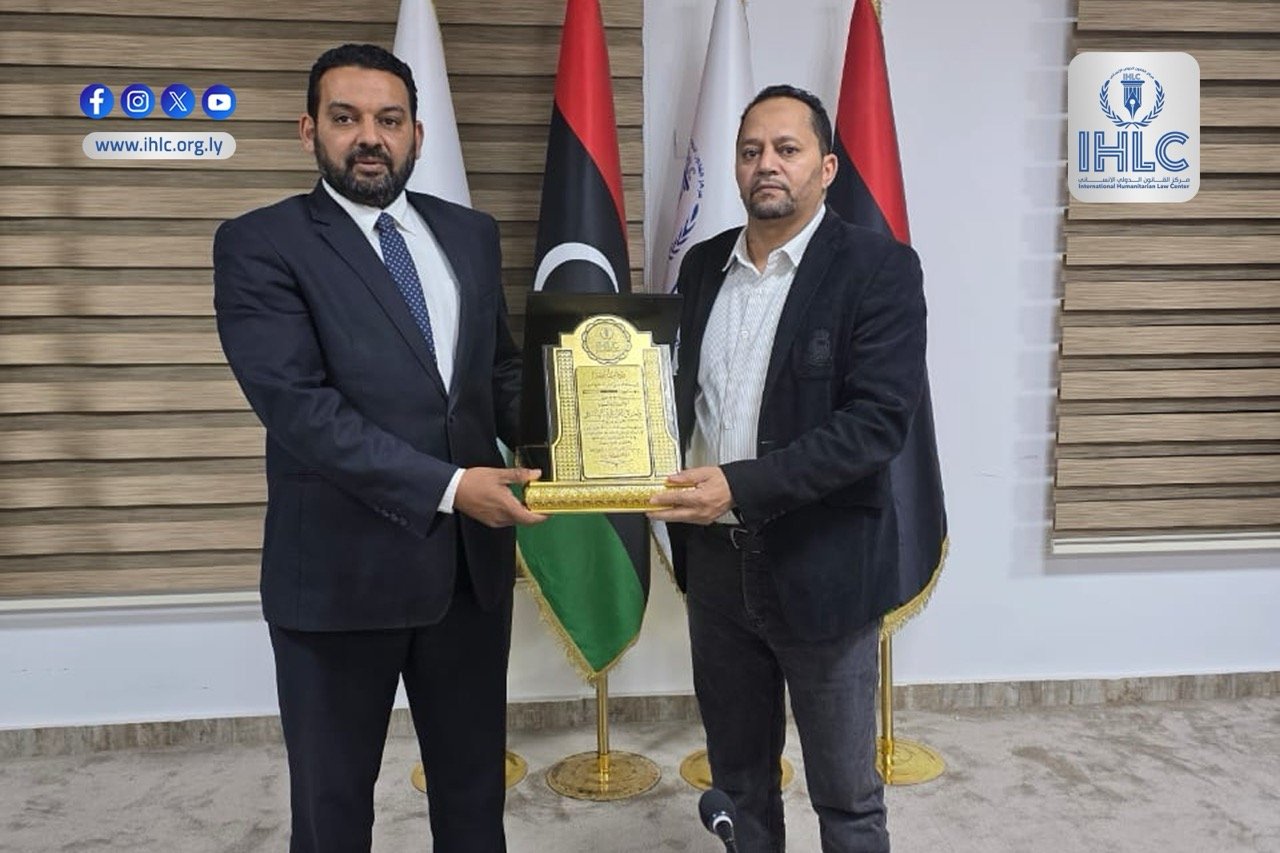
The final workshop, titled “Successes and Failures of International Experience – Lessons,” featured contributions from Beatrice Chapaux, Pascal Turlan, Dr. Hayat Al-Wartani, and Dr. Abdel Moneim Al-Hur. The session concluded with a presentation of the program’s outcomes, an emphasis on adopting a human rights approach in Libya, and the distribution of certificates to participants.
General Recommendations
Following the sequence of workshops and discussions, the program committee issued a set of strategic recommendations to guide the future of transitional justice in Libya:
- Enhance the path of truth revelation through independent and professional national mechanisms.
- Establish a comprehensive damage reparation system that includes both financial compensation and moral consideration.
- Support institutional reform to ensure transparency and accountability within state structures.
- Ensure that violations will not be repeated by developing legislation and building confidence between the public and the state.
- Strengthen partnerships between academic institutions and international organizations.
- Raise societal awareness regarding the critical importance of transitional justice.
- Prepare a national database to document violations and identify victims.
- Draft a national roadmap that adopts a comprehensive human rights-based approach