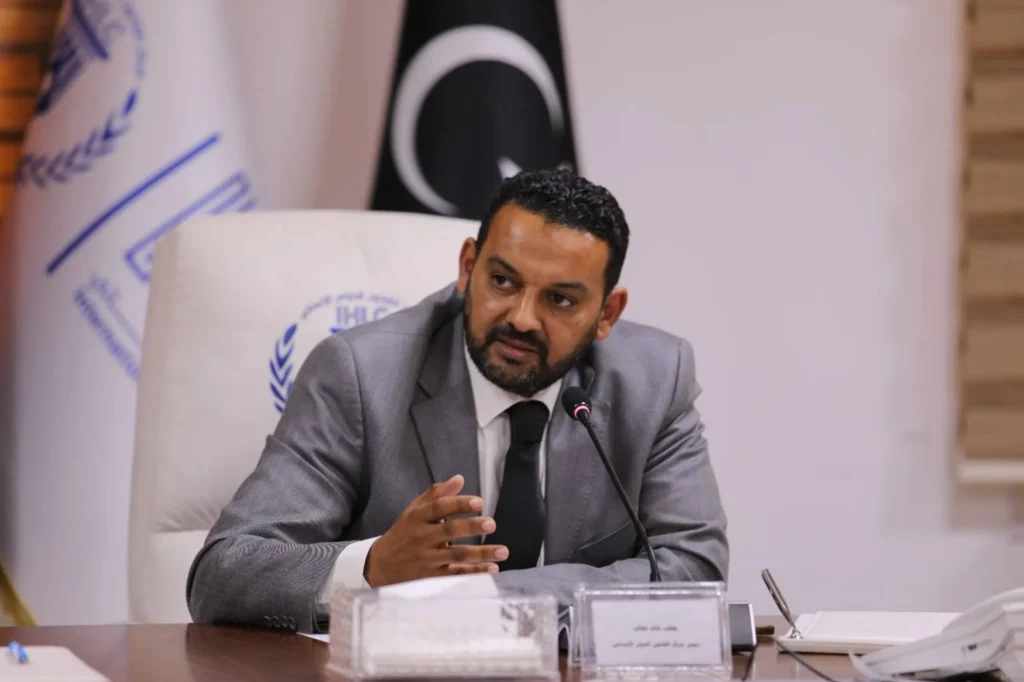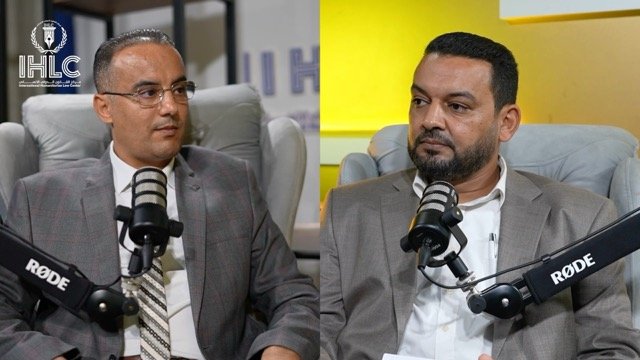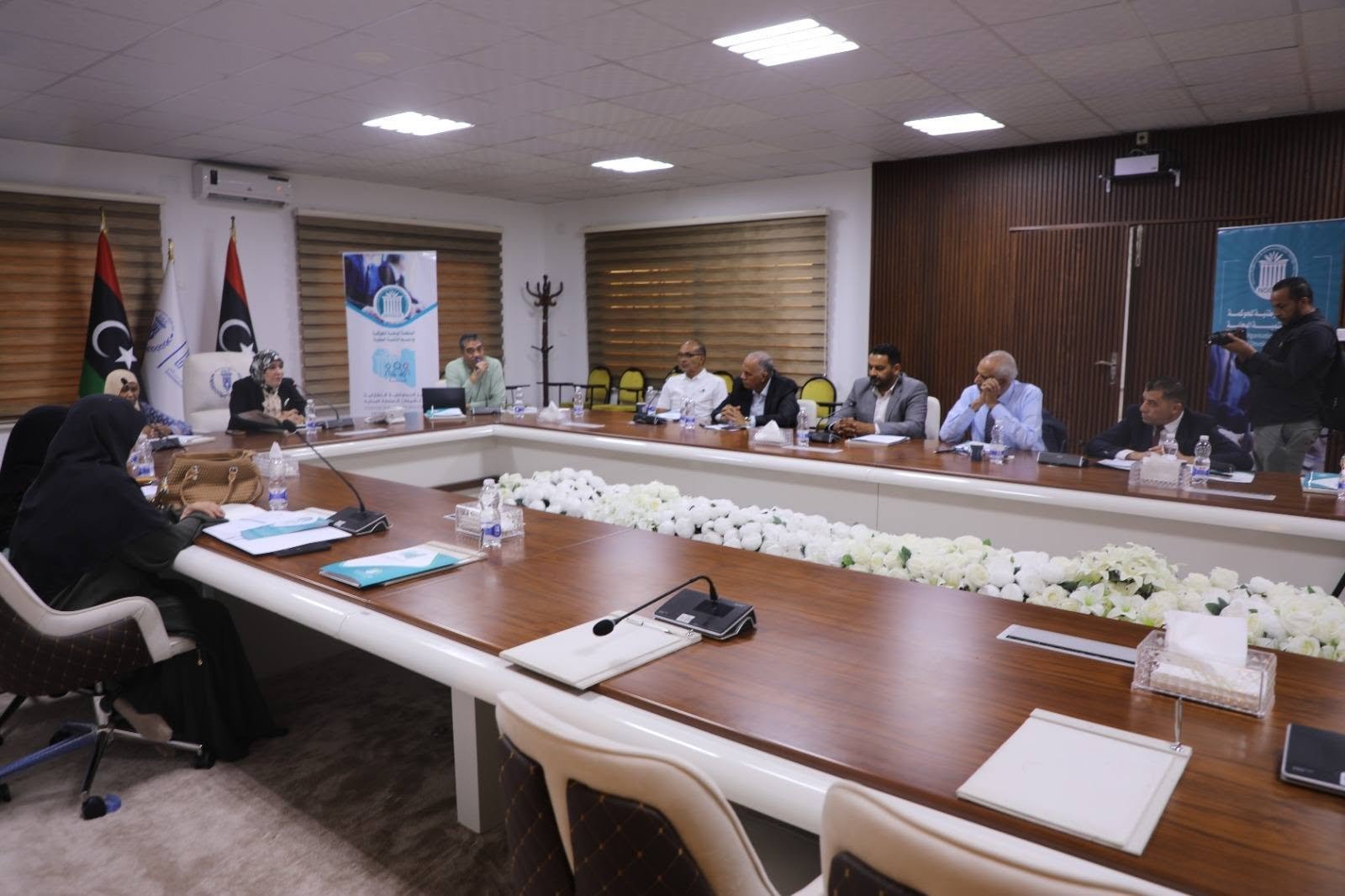
Dialogue Session Marking 76 Years Since the Entry into Force of the Four Geneva Conventions
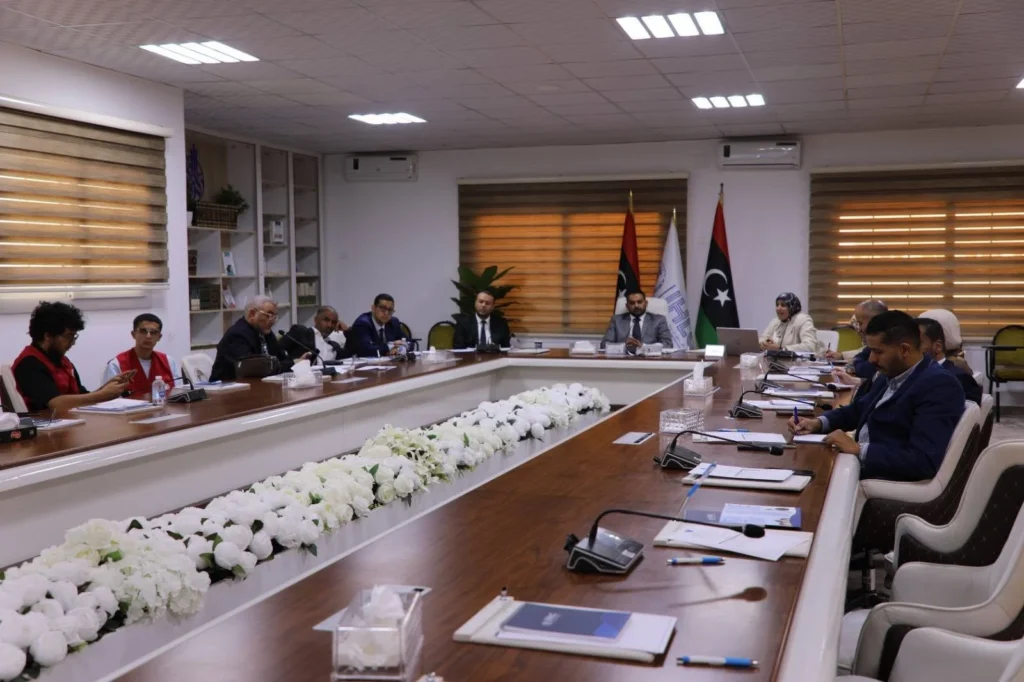
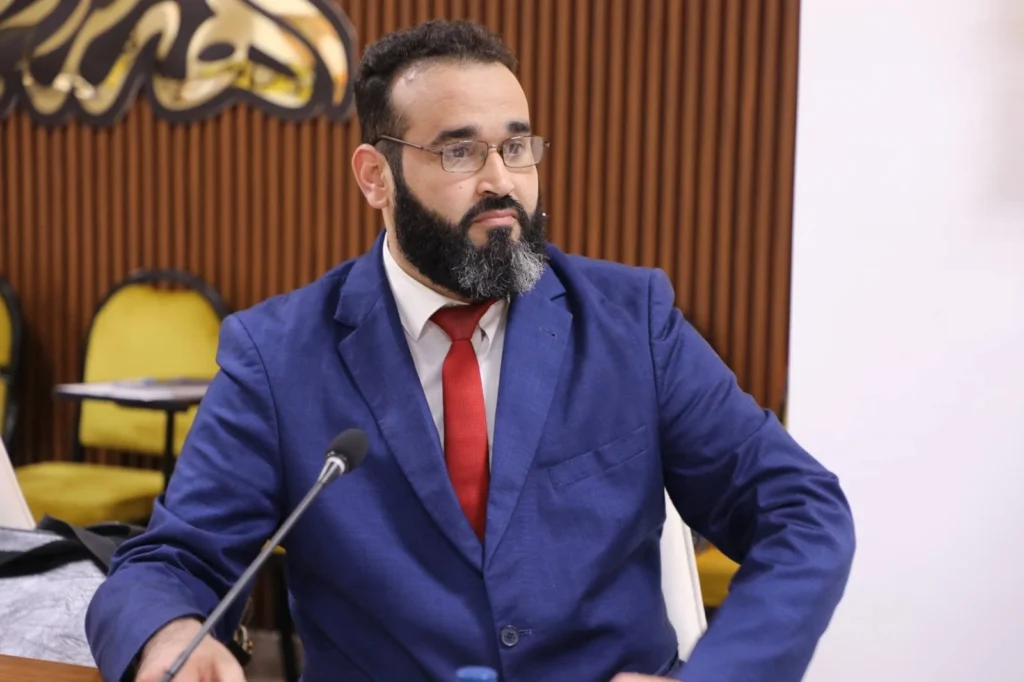
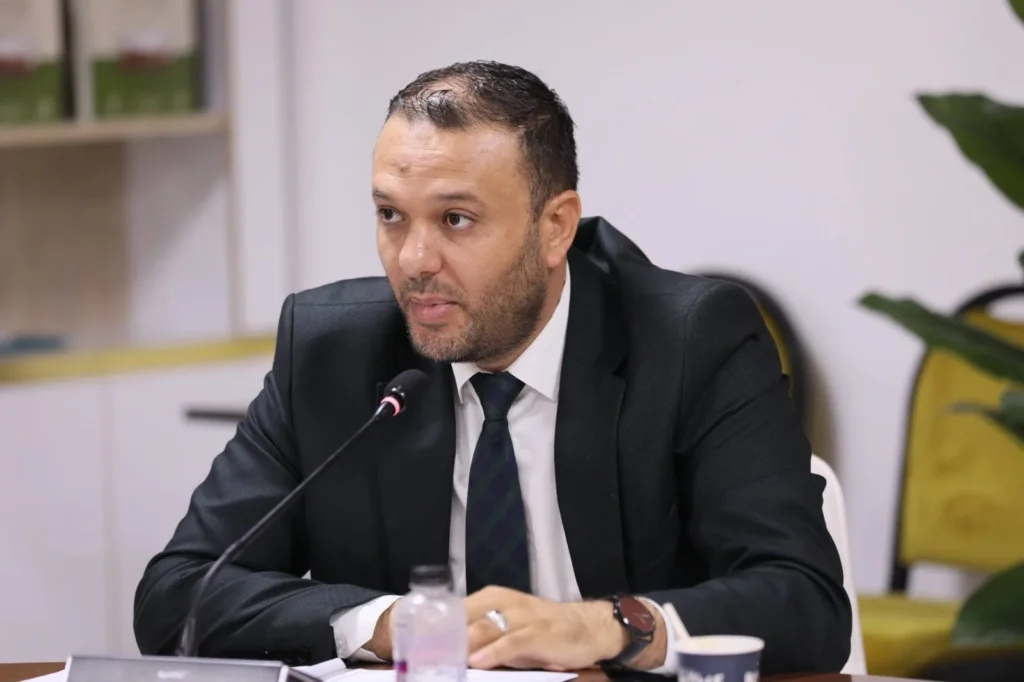
To mark the 76th anniversary of the entry into force of the four Geneva Conventions of 1949, the International Humanitarian Law Center (IHLC) held a dialogue session on Wednesday, 21 October 2026, entitled:
“International Humanitarian Law in the Face of Contemporary Conflicts”
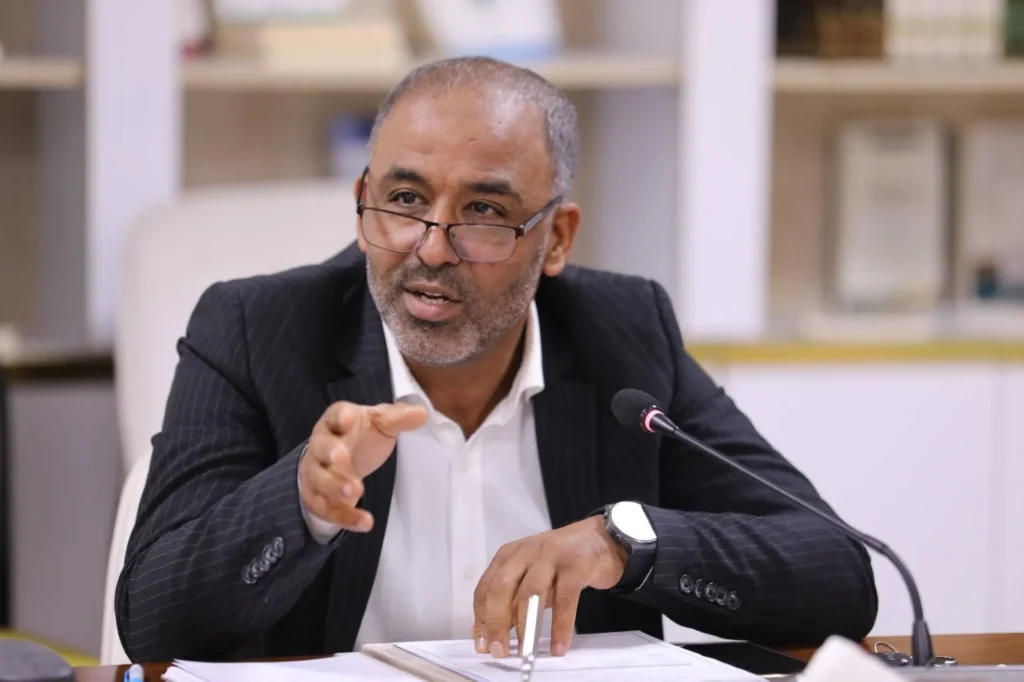
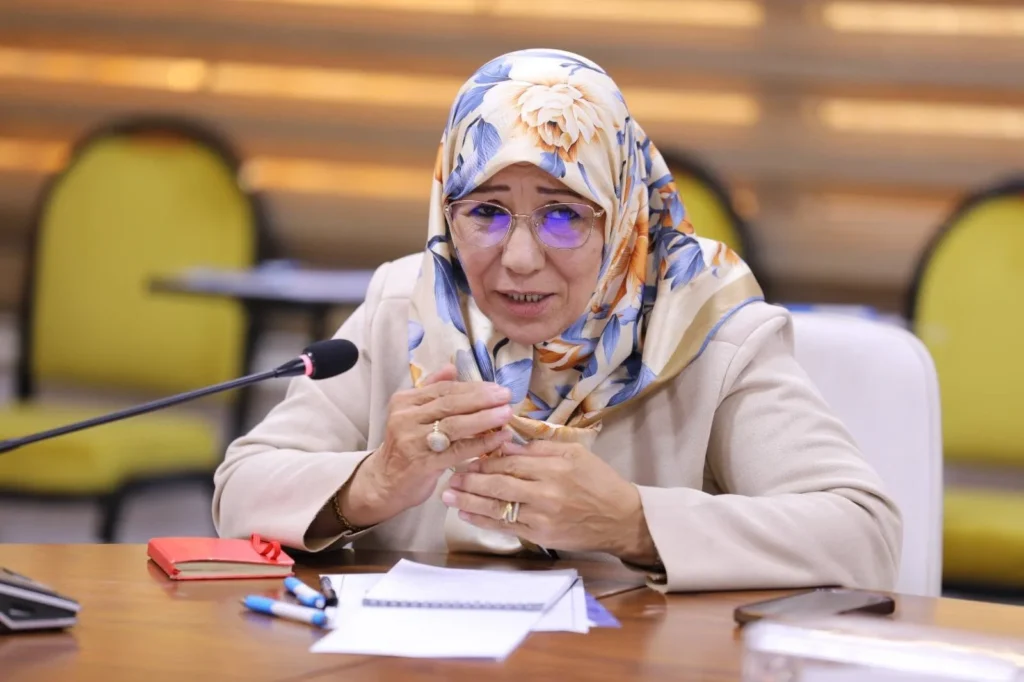
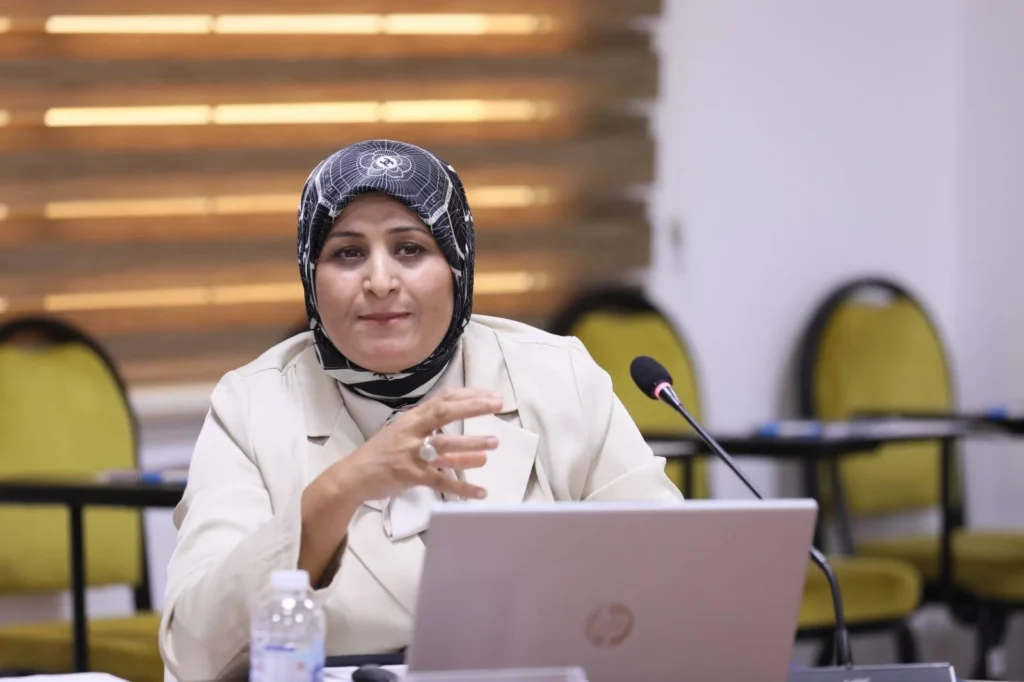
The session featured an academic lecture delivered by Professor Dr. Inas Abdullah Abumaira, Professor of International Law at the Faculty of Law, University of Tripoli. Her lecture addressed the importance of international humanitarian law in protecting victims of armed conflicts, its role in responding to the growing challenges posed by contemporary conflicts, and the key issues surrounding the implementation of its rules and ensuring compliance with its provisions.
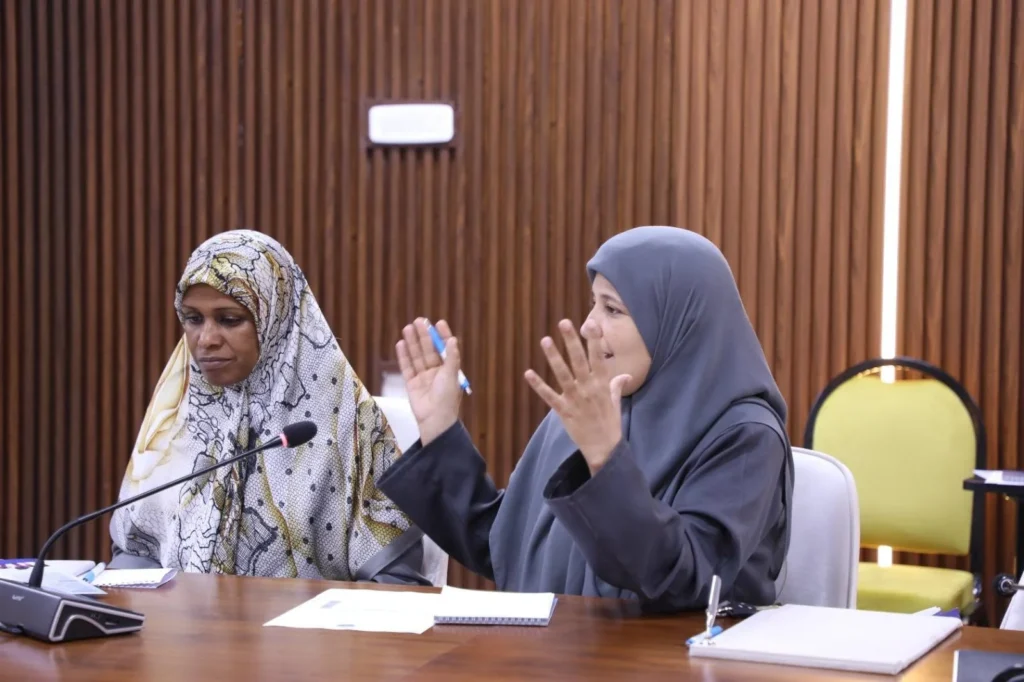
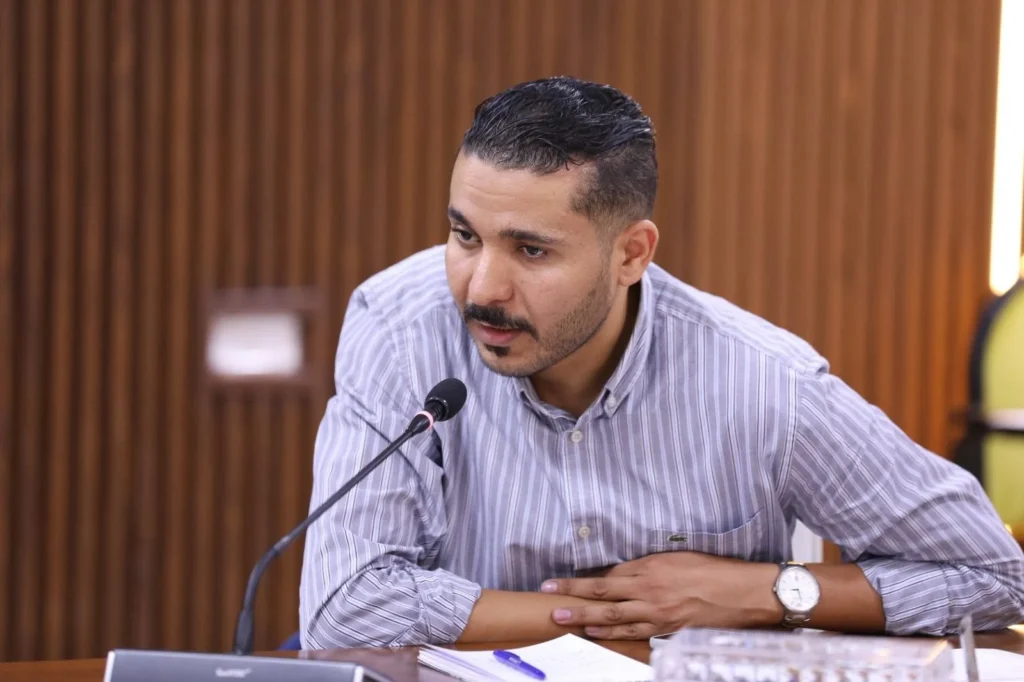
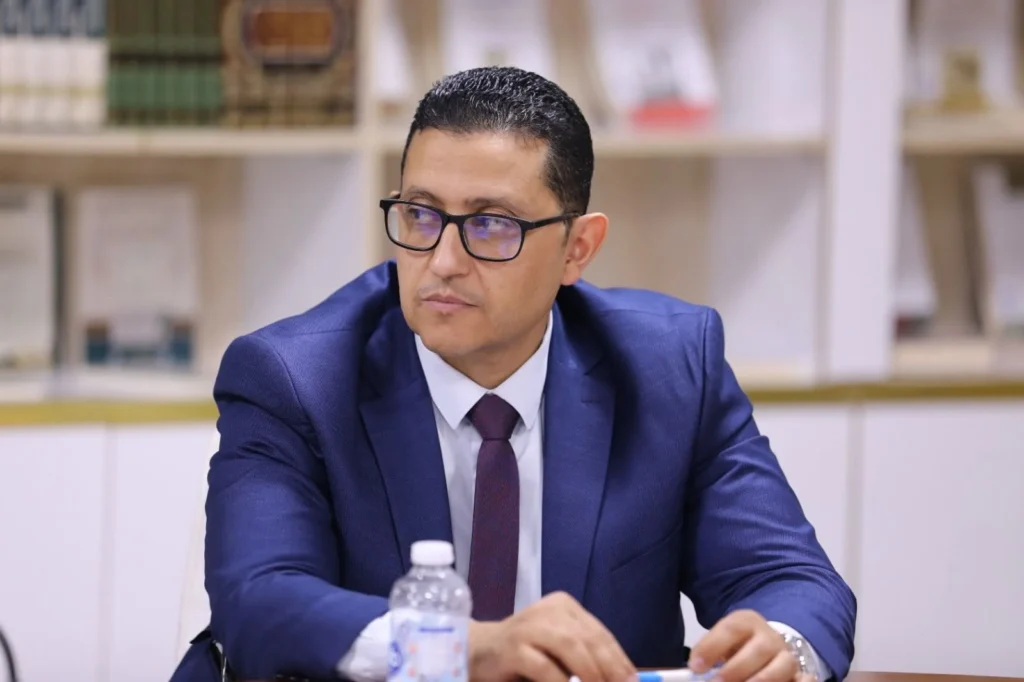
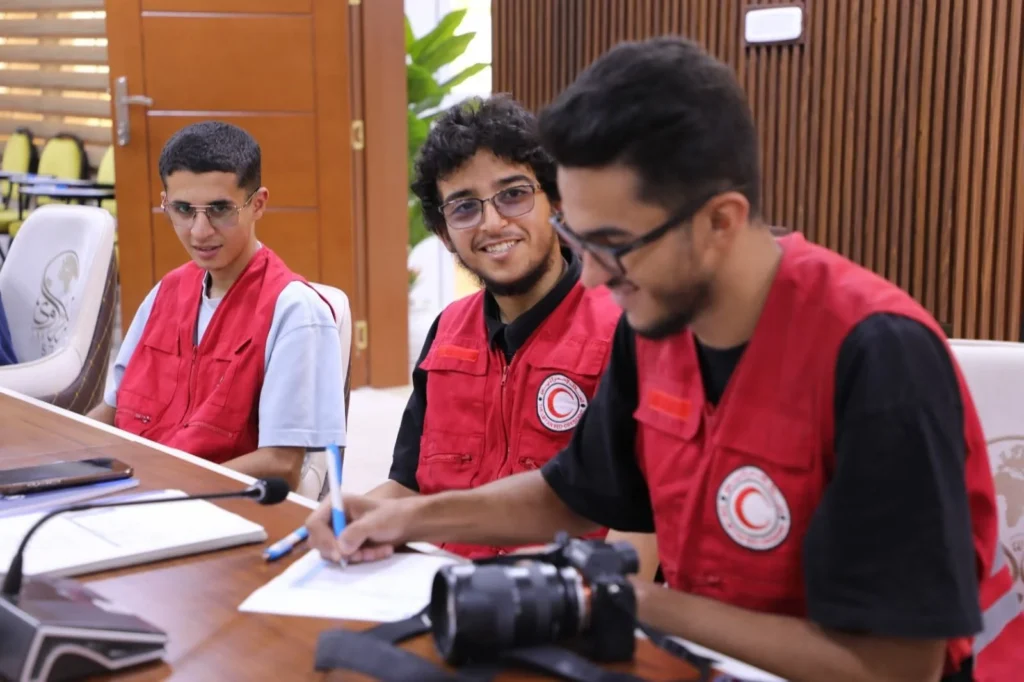
The session also provided an opportunity for dialogue and discussion among participants on ways to strengthen respect for the four Geneva Conventions and their two Additional Protocols, activate the protection mechanisms provided by international humanitarian law, and raise awareness of its rules and principles amid rapid developments in the means and methods of warfare.
Recommendations of the Dialogue Session
At the conclusion of the session, participants put forward a set of recommendations aimed at strengthening respect for international humanitarian law and improving its implementation mechanisms, as follows:
Respect for the Geneva Conventions and Their Additional Protocols
Reaffirm the importance of respecting the rules of international humanitarian law enshrined in the four Geneva Conventions of 1949 and their two Additional Protocols, which constitute the fundamental legal framework for protecting victims of armed conflicts.
Raising Awareness of International Humanitarian Law
Promote awareness and understanding of international humanitarian law within academic institutions and society at large, while emphasizing the need to respect the principles of distinction and proportionality in the conduct of hostilities, thereby contributing to the protection of civilians and the reduction of humanitarian harm.
Addressing Developments in the Means and Methods of Warfare
Emphasize that developments in the means and methods of warfare do not exempt parties to armed conflicts from their obligations under the fundamental rules and principles of international humanitarian law. New means and methods of warfare must remain subject to its applicable rules and legal constraints.
Strengthening Accountability and Combating Impunity
Strengthen investigation and accountability mechanisms concerning violations of international humanitarian law, and ensure that those responsible for serious violations are not granted impunity, in accordance with the applicable legal framework.
Exploring International Regulation of Technological Developments in Armed Conflicts
Call for an examination of the feasibility of adopting a dedicated international protocol regulating the use of means and methods of warfare in light of rapid technological developments, including emerging technologies used in armed conflicts, with a view to strengthening humanitarian protection and ensuring greater respect for international humanitarian law.
 Recognition of Academic Contributions and Book Donation
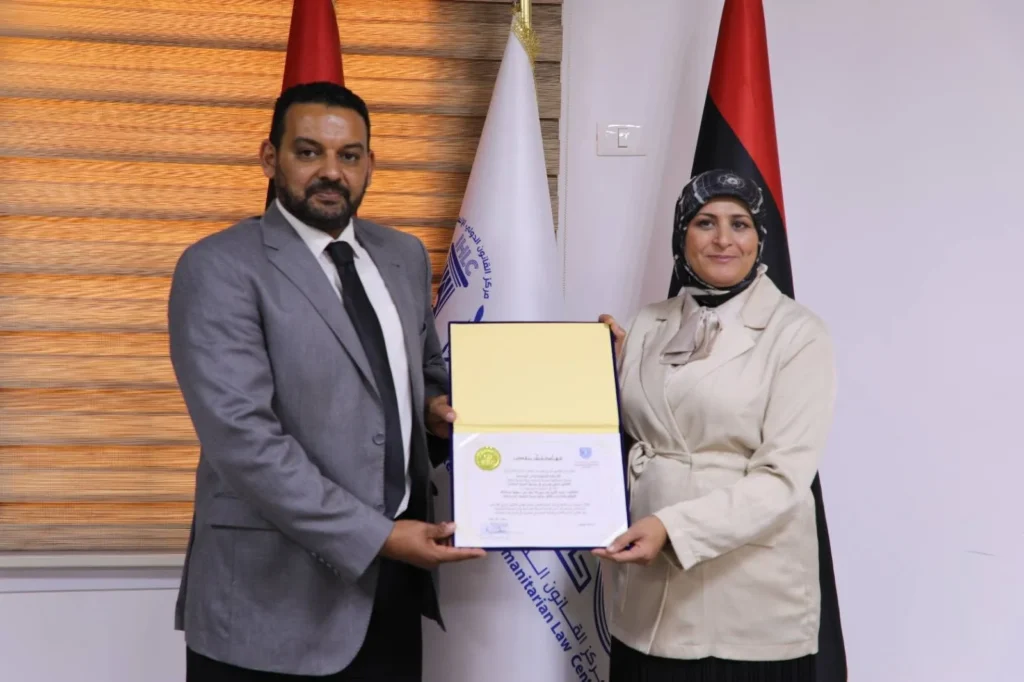
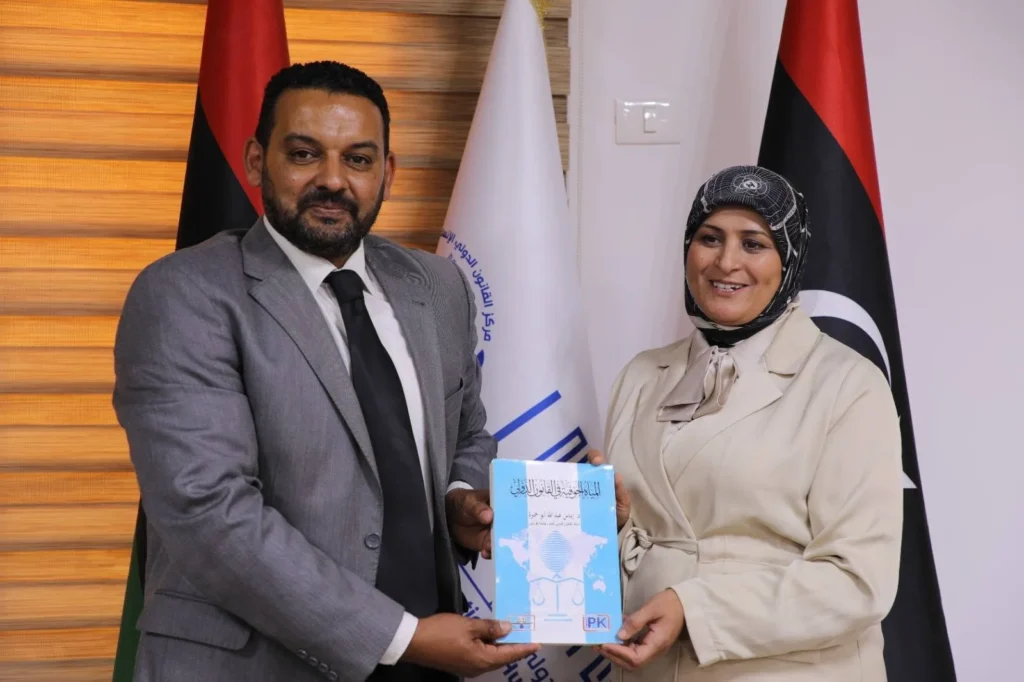
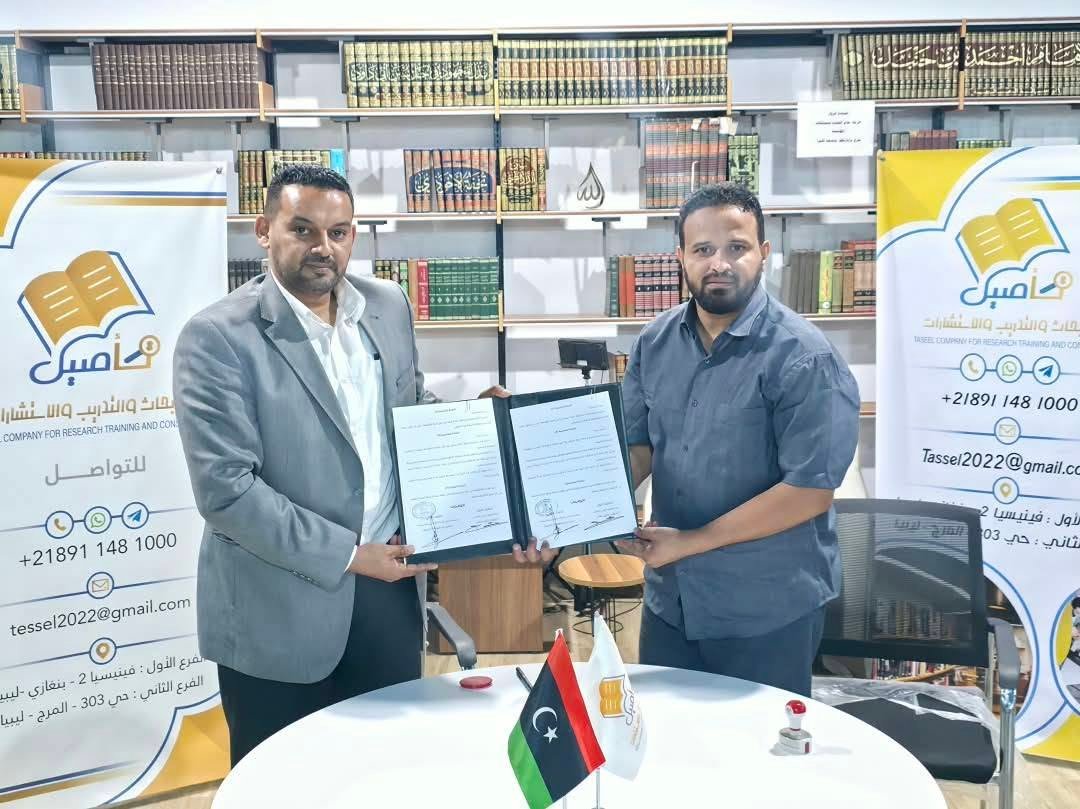
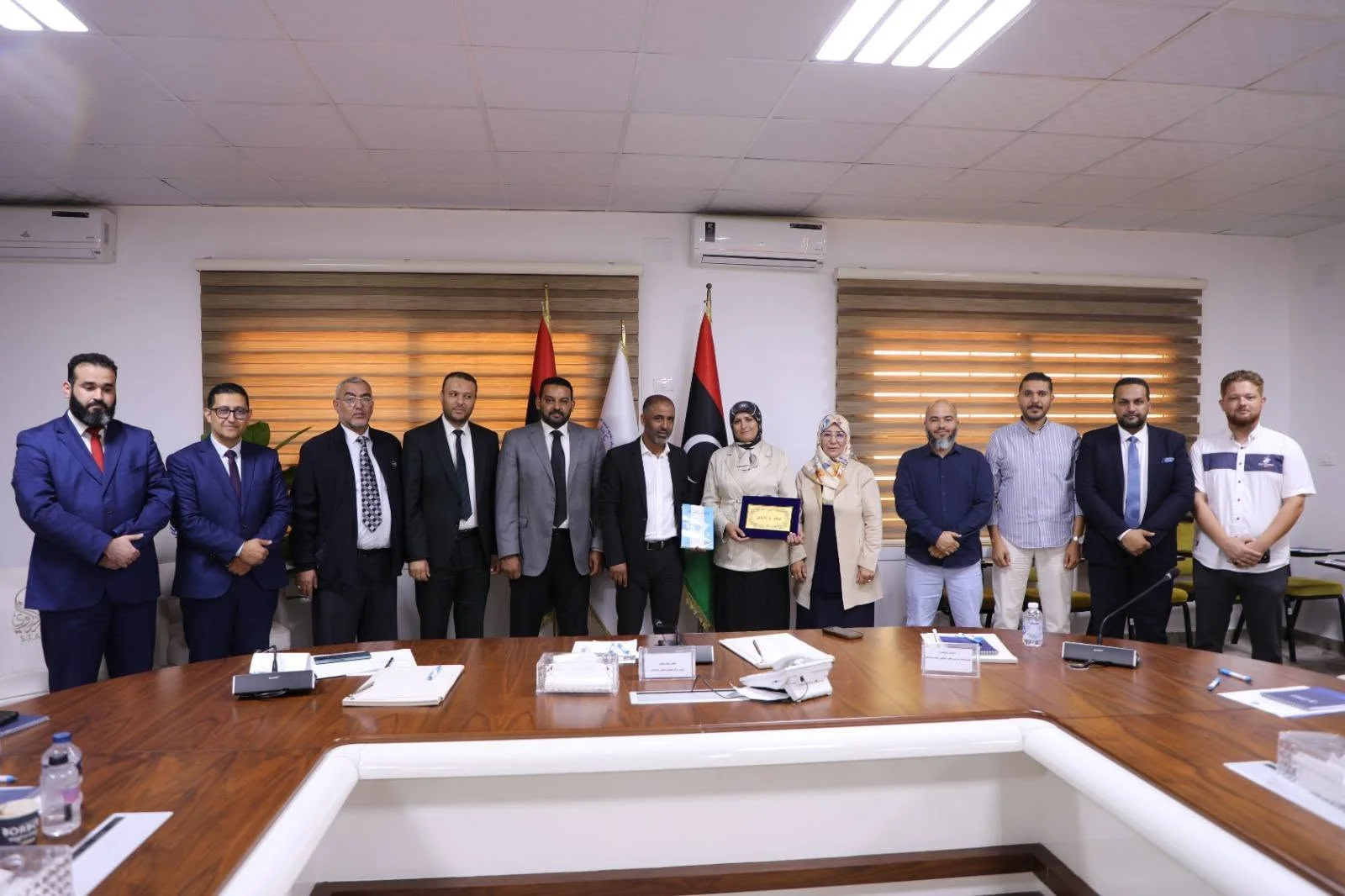
The session concluded with a ceremony honoring Professor Dr. Inas Abdullah Abumaira in recognition of her academic contribution and valuable participation in enriching the discussion on the role of international humanitarian law in addressing contemporary conflicts.
Professor Dr. Abumaira also presented the Center with a copy of her book, entitled “Groundwater in International Law,” in a gesture reflecting the importance of academic exchange and the sharing of legal scholarship.
This event forms part of the International Humanitarian Law Center’s ongoing efforts to promote academic research, foster a culture of respect for international humanitarian law, and support academic dialogue on the legal and humanitarian challenges posed by contemporary armed conflicts, thereby contributing to the protection of human beings and the preservation of their dignity in all circumstances.